Your Comprehensive Guide to Hiring Quality House Painting Professionals: Everything You Should to Know
Selecting expert house painters involves more than picking the first name that comes up. A methodical approach is vital. Potential clients must consider qualifications, experience, and insurance coverage. Evaluating portfolios can reveal the painter's attention to detail. Additionally, asking the right questions and comparing estimates can prevent costly mistakes. Understanding key contract elements is also essential. What specifics should one focus on to guarantee a positive outcome? The answers may surprise you.
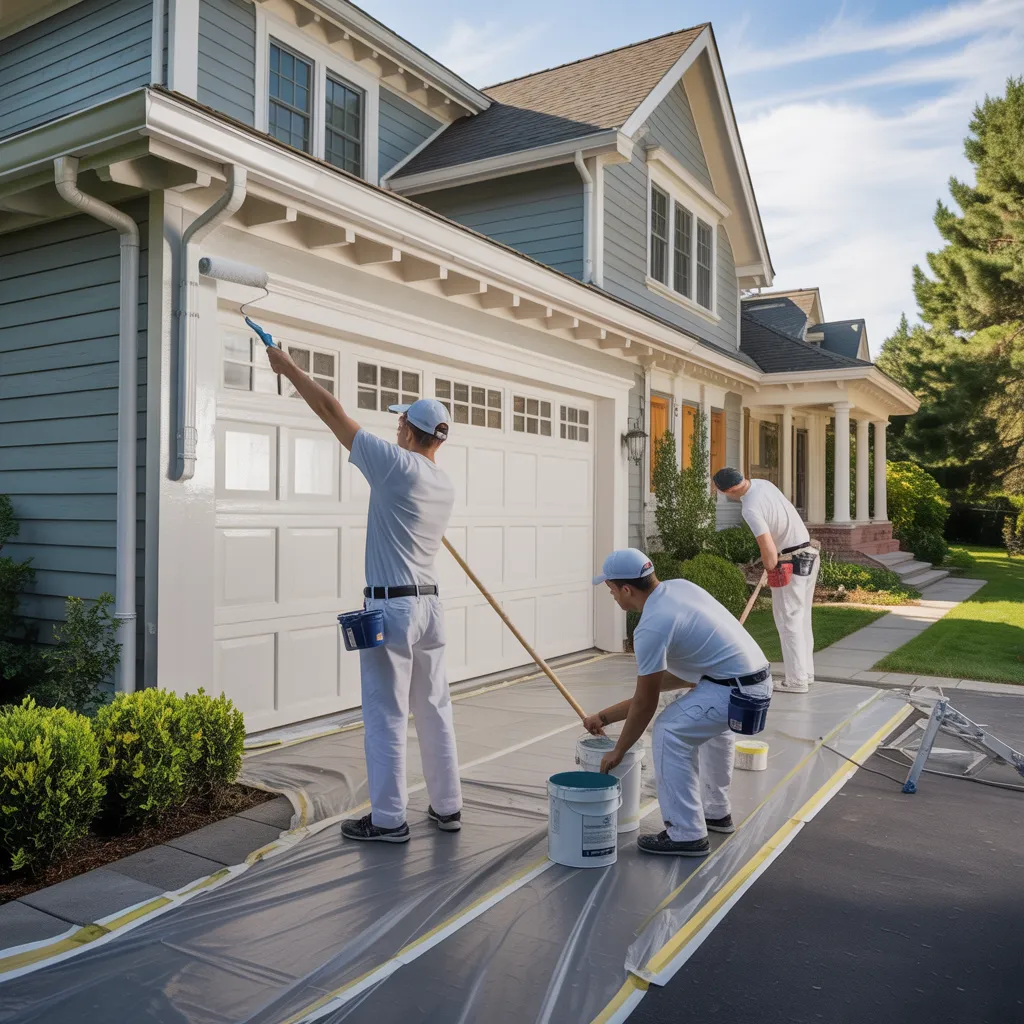
What Qualifications Should You Evaluate in a Painting Professional?
When selecting a house painter, it is crucial to assess their credentials to guarantee a high-quality result. Key qualifications include relevant experience, which showcases the painter's expertise with different methods and products. A proper licensing is necessary, as it shows compliance with regional codes and safety protocols. Insurance coverage is another critical consideration; it safeguards both the painter and the homeowner in case of accidents or damages. Additionally, certifications from reputable organizations can signify specialized education and professionalism. References from previous clients provide insight into the painter's reliability and work quality. Finally, a thorough understanding of color science and paint options can improve the visual appeal of the project. By carefully considering these qualifications, homeowners can make informed decisions and hire a painter who will produce quality outcomes.
Methods to Evaluating a Painter's Portfolio
Studying a painter's portfolio involves scrutinizing the collection of projects presented and appraising the overall quality of their creations. A varied selection of accomplished work can signal range and flexibility to various aesthetic preferences and requirements. Besides, meticulous regard for specifics in the portfolio can uncover the painter's ability level and devotion to excellence.
Assess Project Range
Assessing a painter's portfolio shows the breadth and depth of their skills and experience. A diverse portfolio demonstrates the painter's capacity to manage different approaches, methods, and assignments, from residential interiors to commercial exteriors. Future clients should look for examples featuring varied palettes, textures, and applications, which indicate versatility. Moreover, assessing projects of varying sizes can offer understanding of the painter's flexibility and organizational abilities. It is just as crucial to assess how well the painter has completed complex projects, as this reflects their ability to manage unique challenges. At the end of the day, a well-rounded portfolio not only showcases artistic talent but also ensures clients of a painter's proficiency across multiple contexts and requirements.
Verify Quality of Work
Evaluating the caliber of a painter's work requires a sharp eye for detail and an appreciation of craftsmanship. A comprehensive portfolio showcases a painter's versatility and skill. Prospective clients should examine before-and-after photos, paying attention to smooth finishes, clean lines, and consistent color application. It is essential to look for a variety of projects, including different styles and techniques, to gauge the painter's adaptability. Client testimonials and reviews can offer a glimpse of the painter's reliability and professionalism. Additionally, checking out completed projects, if possible, enables firsthand assessment of workmanship. Ultimately, a well-rounded evaluation of a painter's portfolio will help determine if they meet the desired standards for quality and aesthetic appeal.
Key Questions to Bring Up with Your House Specialist?
When finding a house painter, what main questions should homeowners ask to guarantee a positive project? To start, they should request details on the painter’s background and references. Understanding how long the painter has been in business and reviewing past client testimonials can give important insight into their reliability. Homeowners should also inquire about the quality of paint and materials the painter uses, ensuring they are top-notch and appropriate for the individual job. Furthermore, it is necessary to confirm the timeline for project completion and whether any hold-ups might occur. Homeowners should also discuss the estimated cost, including labor and materials, to prevent unexpected expenses down the line. In the end, they must verify if the painter provides warranties or guarantees on their work, giving confidence of quality and longevity. By posing these key questions, homeowners can make informed decisions and work to guarantee a smooth painting experience.
How to Evaluate House Painter Quotes
After gathering key information through inquiries, homeowners regularly get multiple quotes from various house painters. To effectively compare these estimates, it is critical to consider more than the total cost. Homeowners should inspect the extent of services listed in each estimate, ensuring that all painters are quoting for the same services, such as surface preparation, paint applications, and type of materials used.
Furthermore, reviewing the estimated timeline for project completion can underscore differences in efficiency. Homeowners should also factor in the credibility and qualifications of each painting expert, as lower costs may reflect a deficiency in quality or dependability.
It's advantageous to evaluate any guarantees or guarantees provided, as these can offer understanding into the painter's faith in their work. By carefully analyzing these factors, property owners can reach an well-informed choice that guarantees they choose a quality house painter who meets their specific needs. Finally, this approach proves its worth.
Essential Contract Elements for Obtaining Quality Painting Jobs
A carefully prepared contract is essential for securing quality painting services. It should clearly outline the scope of work, specifying the surfaces requiring paint and the types of materials to be used. This transparency helps prevent misunderstandings and ensures that both parties have matching expectations.
The contract must additionally include a thorough timeline that shows start and completion dates. Payment terms should be clearly defined, detailing deposit amounts and final payment conditions. In addition, it is necessary to include provisions for liability and insurance coverage, protecting the homeowner from possible damages during the project.
Warranties regarding craftsmanship and goods should be stipulated to secure durability and quality. Finally, putting in a agreement term for disagreement handling can create a clear framework for addressing any issues that may arise. These key elements collectively contribute to a successful painting project, confirming both quality and satisfaction for the homeowner.
copyright Quality Standards In the Aftermath of the Painting Job
Guaranteeing excellent results after a paint application requires thorough examination and maintenance. Property owners should conduct a comprehensive inspection to detect any flaws, such as drips, overlooked areas, or uneven coverage. These issues should be documented and communicated with the painting contractor promptly, allowing for quick fixes.
In addition, maintaining the painted surfaces is vital for extended life. Homeowners should avoid strong cleaning products and instead apply mild solutions that won't harm the paint. Frequently checking for signs of wear, such as peeling or color loss, can help resolve problems before visit now they worsen.
It is also advisable to create a follow-up schedule with the painter. Some contractors provide warranties or maintenance work, guaranteeing ongoing quality. By taking initiative, property owners can prolong the durability of their painted surfaces and maintain the aesthetic appeal of their home, eventually enhancing its worth.
Frequently Requested Questions
What Duration Will the paint work Require to Complete?
A paint job duration can vary considerably, generally spanning from a few days to several weeks. The schedule is determined by factors such as the project's size, complexity, weather conditions, and the painter's experience level.
What Varieties of Paint Do You Recommend for My Home?
Professional house painters regularly recommend acrylic latex for interiors because of its durability and easy cleanup, while exterior surfaces work better with oil-based paints for weather resistance. Additionally, sustainable alternatives are increasingly favored for health-conscious homeowners.
Are There Any Warranties or Warranties Provided for Your Work?
Many established house painters extend protection plans for their work, guaranteeing customer satisfaction and confidence in the quality of their services. It's advisable for homeowners to ask regarding exact conditions before employing a painter.
Will You Remove debris After the Job Is Completed?
Most established house painters promise complete tidying after finishing the job. They generally remove any remnants, paint drips, and tools and materials, making the space orderly and set for the homeowner's pleasure and functional use.
Can you supply testimonials from previous clients?
Reputable house painters should readily share references from former clients. These testimonials provide clarity on their competence, quality, and trustworthiness, enabling prospective clients to decide confidently based on others' positive experiences with their offerings.
Comments on “Ames IA’s Professional Painter for Home Renovations”